- Hardware
- A
Google is preparing a replacement for Chromebook: what Googlebook laptops will be like
Over the past decade and a half, Google has managed to create a separate class of subnotebooks. Of course, this refers to Chromebooks. They have significantly reshaped our understanding of what a laptop for everyday tasks can be, and gained widespread adoption thanks to their simplicity, fast performance and low cost, especially in schools and offices. However, they never became extremely popular
Now the company has decided to make another attempt. A few days ago, Google announced Googlebook - a line of laptops that is supposed to be a step forward. The emphasis is on artificial intelligence and deep integration of the entire ecosystem. Let's try to figure out what kind of devices they are and what their features are.
The story of Chromebooks started as a rather bold experiment, where the Chrome browser became the main application. For simple tasks, it worked great. But many users lacked something more: normal graphics, full-fledged multitasking, and applications that don't just live inside tabs. Google engineers have been collecting feedback and analyzing what people are missing.
The new platform evolved from Android and accumulated cloud development work, but without a sharp break from the past. According to developers, they combined the best features of both platforms to create a unified architecture, where cloud services are integrated with full on-device data processing, and AI capabilities are built directly into the system. Additionally, many tasks can be completed without a constant internet connection with no noticeable limitations.
Partnerships with major hardware manufacturers have allowed Google to focus on software and its ecosystem, rather than expending resources on producing hardware from scratch. As a result, we will get a full lineup of devices for every use case, from creative work to routine office tasks. At the same time, the company is not abandoning older Chromebooks to their fate, and has promised to support them with updates for another 10 years. This seems reasonable and fair.
Design and internal hardware of future devices
Googlebook laptops will be manufactured by different producers, so their appearance and build design will vary from model to model. Google has already brought on board Acer, ASUS, Dell, HP and Lenovo, which are preparing devices with different screen sizes and form factors. The lineup is expected to include both standard laptops, as well as models with touchscreens and rotatable displays. In other words, Google is defining the overall platform standard, while specific design and feature sets will be determined by the individual manufacturers themselves.
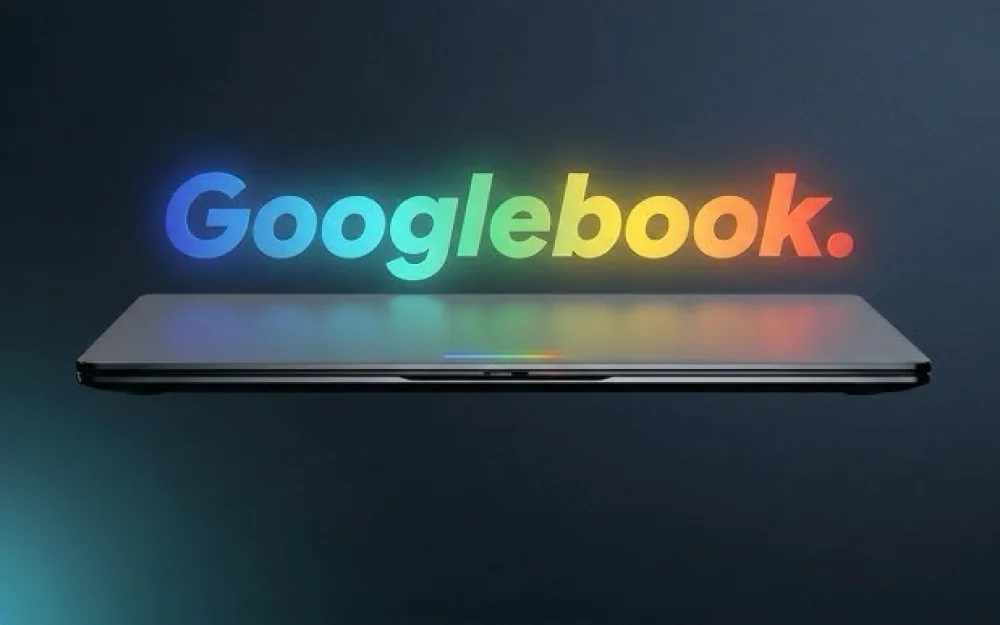
One of the most prominent features of Googlebook will be the glowbar — a light strip on the device's lid. It will display the laptop's status and the activity of built-in artificial intelligence functions. For example, the backlight can turn on when Gemini is running or signal the completion of specific tasks. This element will replace the familiar Chrome logo and become a distinctive feature of the new product line.
Google does not limit manufacturers to any single type of processor, so the product line may include models equipped with both ARM chips from Qualcomm and MediaTek, and x86 processors from Intel. All devices will support modern wireless standards, including new versions of Wi-Fi and Bluetooth. Thanks to deep integration of hardware and software components, Google expects to deliver long battery life. The first models are set to go on sale in fall 2026, and the product line will target the premium price segment.
The new laptops will be powered by Aluminium OS — a system built on Android technologies with elements from previous Google developments. The internal name underscores the goal of creating a fully cohesive experience, so apps can get full access to the device hardware and run truly natively. Users will be able to install apps directly from the Play Store, and they will look and perform properly on large screens, with support for multitasking and peripherals.
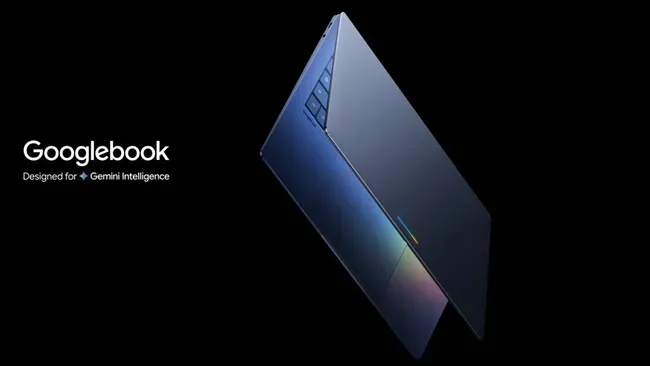
Googlebook will be updated in sync with new versions of Android, so new features and security fixes will be rolled out without extended delays. The built-in security protections that Google already implements in its own devices will also be retained. Cloud services will remain a core part of the system, but many tasks can be completed directly on the laptop without a constant internet connection.
Apps from Google Play will be able to run in windowed mode and work seamlessly with external monitors, keyboards, and other peripherals. Thanks to this, graphic editors, office suites and other software that were previously limited to browser capabilities will be far more convenient to use on Googlebook. The new architecture makes these devices more versatile and better suited for long-term use.
Artificial intelligence in action: Magic Pointer and widgets
One of the key features of Googlebook will be Magic Pointer — a special cursor mode linked to Gemini. When a user hovers their mouse over text, an image, or any other interface element, the system analyzes the content and suggests appropriate actions. For example, hovering over a date in an email lets you immediately create a calendar event, while working with a photo lets you open editing tools or assemble a collage. In this way, the cursor becomes a convenient way to quickly access artificial intelligence capabilities.
The feature works automatically: you only need to hover the cursor over the required element, and Gemini will suggest available actions taking the current context into account. Users do not need to enter additional commands or manually launch the assistant. If a suggestion is not needed, it can simply be closed, or you can open an extended list of options.
Gemini creates widgets via regular text or voice requests. For example, a user can ask to display a block with currency exchange rates, a weather forecast, or other required information on their desktop. After that, it can be placed in a convenient location, its content can be changed if necessary, or it can be deleted. This mechanism allows you to quickly customize your desktop to match your current tasks.
Gemini features will work not only in individual apps, but across the entire system. The assistant will be able to analyze on-screen content and suggest actions based on the current context. As you use the system, it will account for your usual work workflows and deliver more accurate tips and recommendations.
Integration with mobile devices and what this means for users
Googlebook laptops are particularly appealing for users who already own an Android smartphone. They provide instant access to apps and files from your phone, letting you continue your work on a large screen in a fully adapted format. All you need to do is open the desired document or app, and it will appear on your laptop without any unnecessary steps or format conversions.
Synchronization covers not only files, but also notifications, settings, and the state of open apps. Thanks to this, users can start working on their smartphone and pick up exactly where they left off on their laptop. At the same time, the AI gets access to data from different devices and can factor this in when generating tips and recommendations.
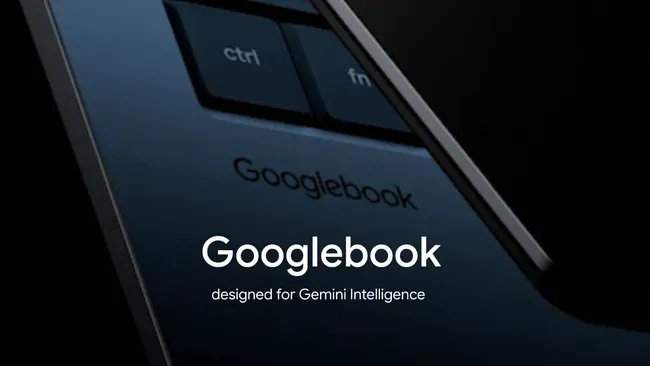
Thanks to this, work across different devices will be perceived as a continuation of the same process. Gemini, in turn, will be able to take into account information from these services and use it to generate more accurate and useful suggestions.
What else?
The Googlebook line will be targeted at a higher-priced market segment than traditional Chromebooks. The devices will go on sale in fall 2026 and will be manufactured by Google's partners, including Acer, ASUS, Dell, HP and Lenovo. Their cost is expected to be significantly higher than that of mass-market Chromebook models. Overall, for the first time Google is directly entering the category currently occupied by devices such as the Apple MacBook and Microsoft Surface Laptop.
Chromebooks will remain a separate product line and will continue to receive updates. These systems will still be used in schools, universities and companies where low cost, ease of administration and centralized management are key priorities. Google has already extended the Chrome OS support period to 10 years for models released starting in 2021, so owners of existing devices will be able to use them for many more years.
What do you think, are Googlebook laptops ready to become a full replacement for Chromebooks in the near future? Share your thoughts in the comments.

![From Virtual Hands to AI for Survivalists: Curious Open Agent OSes [and One Hardware Project]](https://cdn.tekkix.com/imgs/2026/05/habrcom/big/ce0b1057616faed51cd8b9f3b2b9.webp)

Write comment