- Hardware
- A
Invented for a noble cause, killed for money. A sad story of netbooks
Not long ago, the market was shaken by the announcement and release of the MacBook Neo — Apple's first budget laptop, designed to handle 99 percent of tasks for ordinary users and to kill the cheap Windows laptop market
And in this context, someone had the sense to exclaim: “This is the resurrection of netbooks!” There were even those who supported this shout.
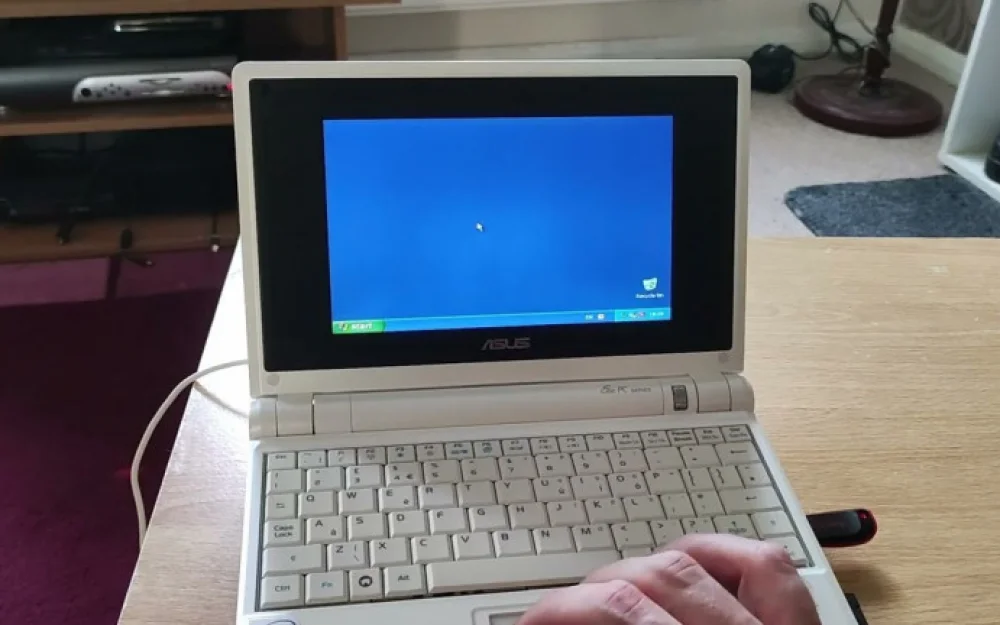
But here’s the question… When did netbooks even die? You probably noticed that at some point they literally disappeared from the market. Behind all this lies a rather interesting story, which we will tell today.
❯ It all started with a United Nations initiative
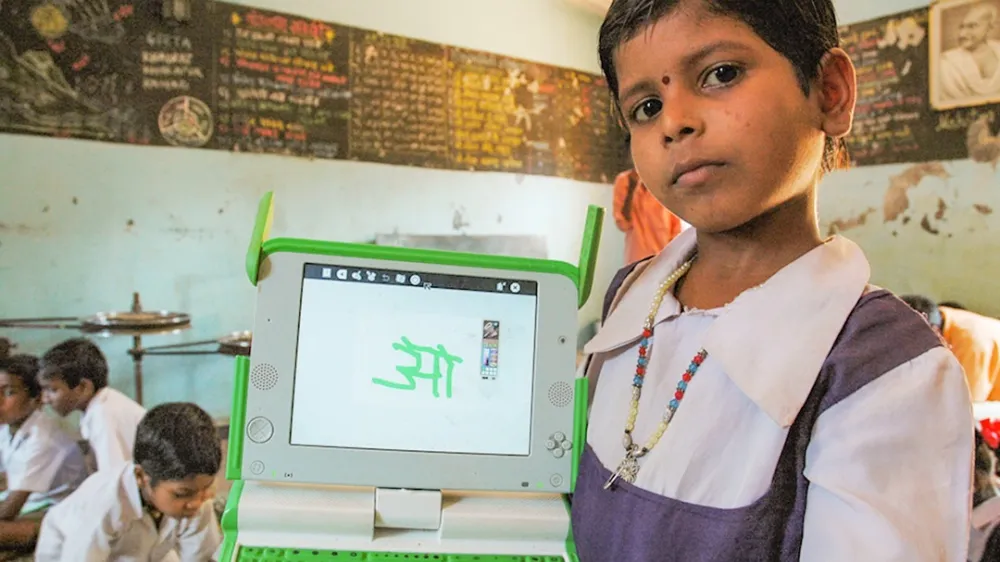
Surprisingly, if we set aside the fact that the term itself was coined by Psiphon, as well as the nominal first device, the mass production of netbooks can be credited to none other than the UN.
The thing is: in January 2005, a project called One Laptop Per Child was launched. The project was promoted and funded by the UN with a noble goal — to create a series of devices that could be freely distributed and sold in developing countries, all for the usual reason: children’s education.
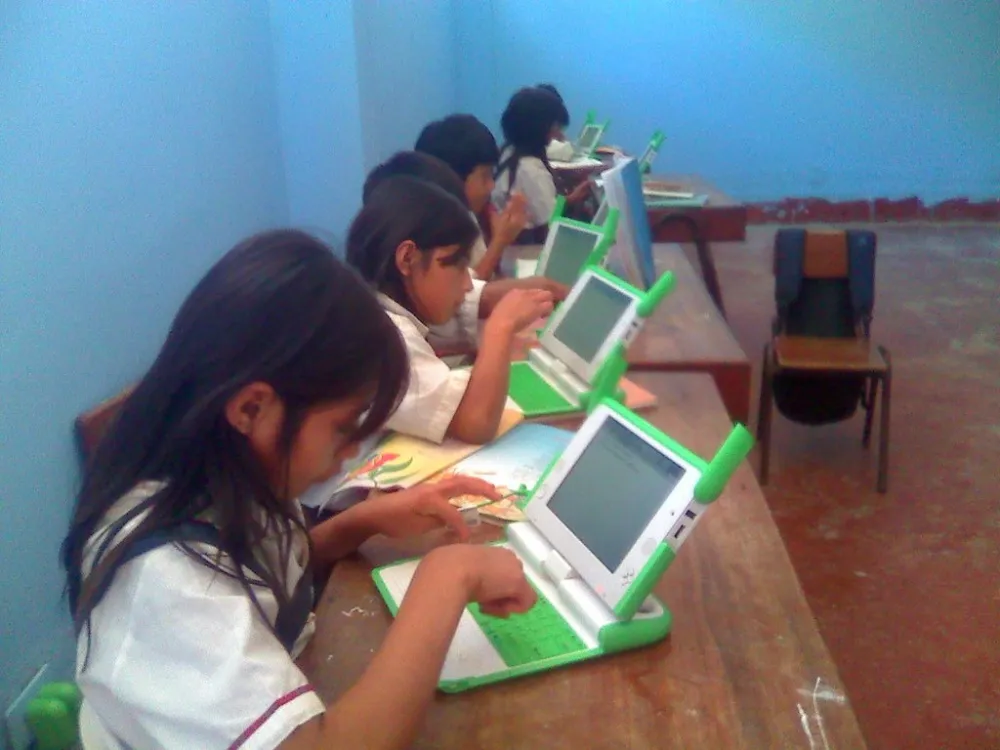
Major PC market players immediately joined the initiative, such as AMD, eBay, Google, and others. The first, after joining the organization, launched the Classmate PC project — an ultra-compact laptop built with the cheapest possible hardware, though it didn’t reach full-scale production.
However, ASUS noticed the idea and proposed a slight improvement, essentially laying the foundation for the netbook market.
❯ The first trailblazer set the standard
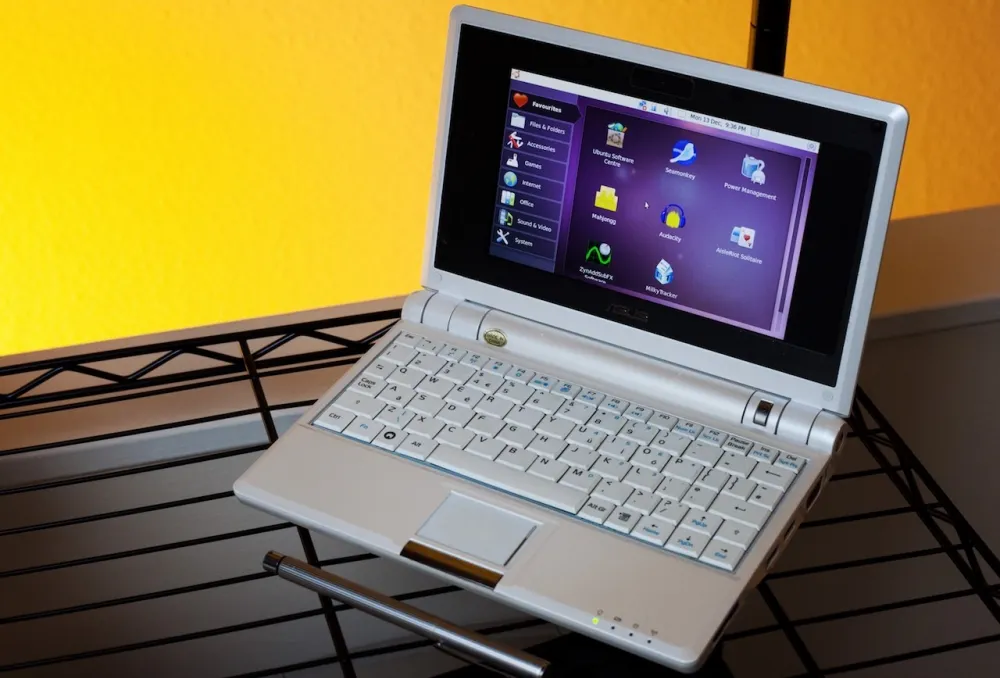
The official first netbook, in the real sense, was the Asus EEE PC 701, released in the fall of 2007. The device’s slogan was: “Easy to learn, Easy to play, Easy to work.” Of course, by modern standards its specs sound ridiculous, but for its time, hardware for $299 (at the old exchange rate, yes) could offer this:
CPU: Intel Celeron M ULV 900 MHz
RAM: 512 MB DDR2
SSD: 4 GB (yes, not a slow hard drive, but a fast SSD even for its time)
Screen: 7″ 800×480
Wi-Fi, VGA, 3 USB ports, SD card — all present
Weight: just under a kilogram. This was a true portable PC.
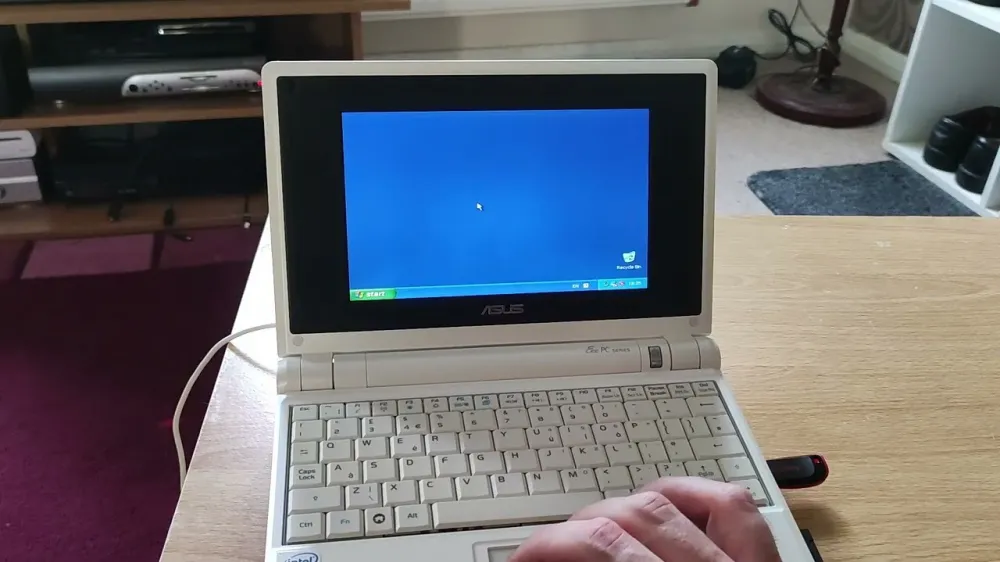
The format went hand in hand with the trend of spreading wireless networks and developing the internet — the EEE PC 701 is a lightweight portable device, perfectly suited for browsing web pages and performing simple tasks.
And most importantly — it’s a portable thing with an x86 processor, enough to run everything that a budget mid-range PC could run, without searching for some lightweight versions of programs, and so on. For its time, it was revolutionary.
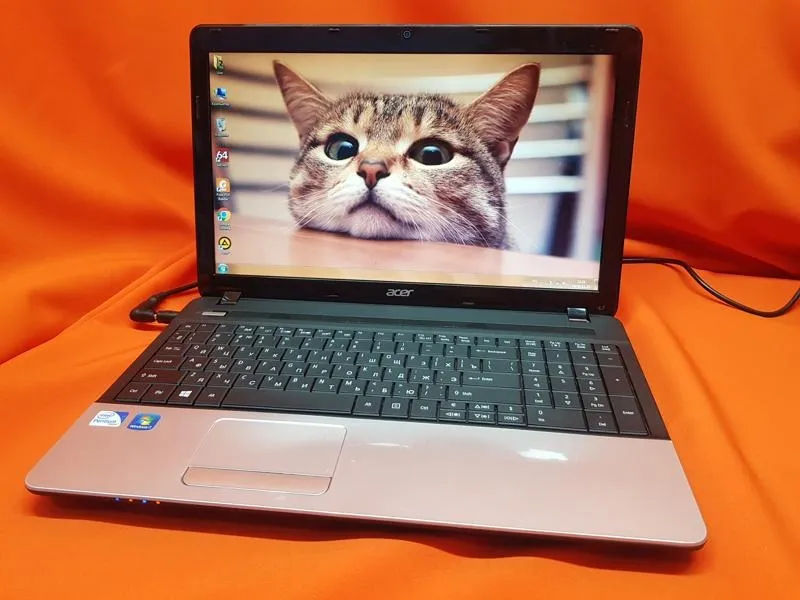
In fact, the EEE PC 701 became the first in a rather large lineup of devices, which by 2009 had firmly captured its 20 percent of the total device market. Models from other vendors started appearing, hardware became more powerful, and even the screens grew larger.
It seemed that the ground for development was huge and fertile
❯ Netbooks were suddenly stifled by large companies
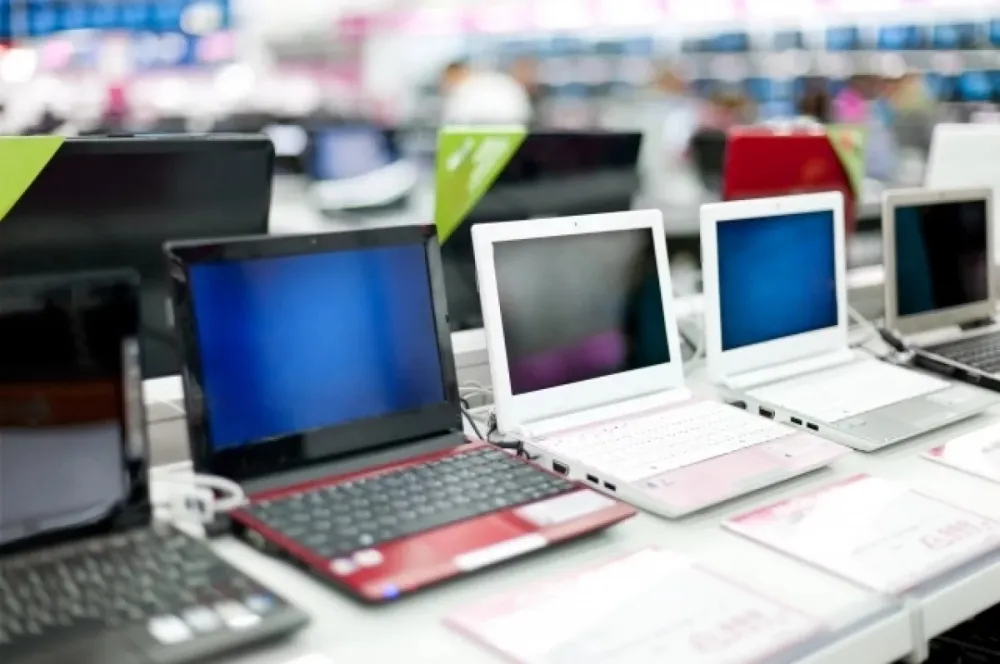
As I mentioned earlier, several large companies joined the One Laptop Per Child initiative, including those that operated in the PC market segment. The pioneer was AMD, although the processor in the first netbook was actually from Intel.
And the latter, in particular, strongly disliked that cheap netbooks were noticeably eating into the market share of premium and expensive laptops. Intel was the first to pressure hardware manufacturers as follows: the company required vendors to limit the power of the processors supplied by Intel.
This was done solely to make buyers more aware that they had weak and cheap hardware in their hands, which they could potentially reject.
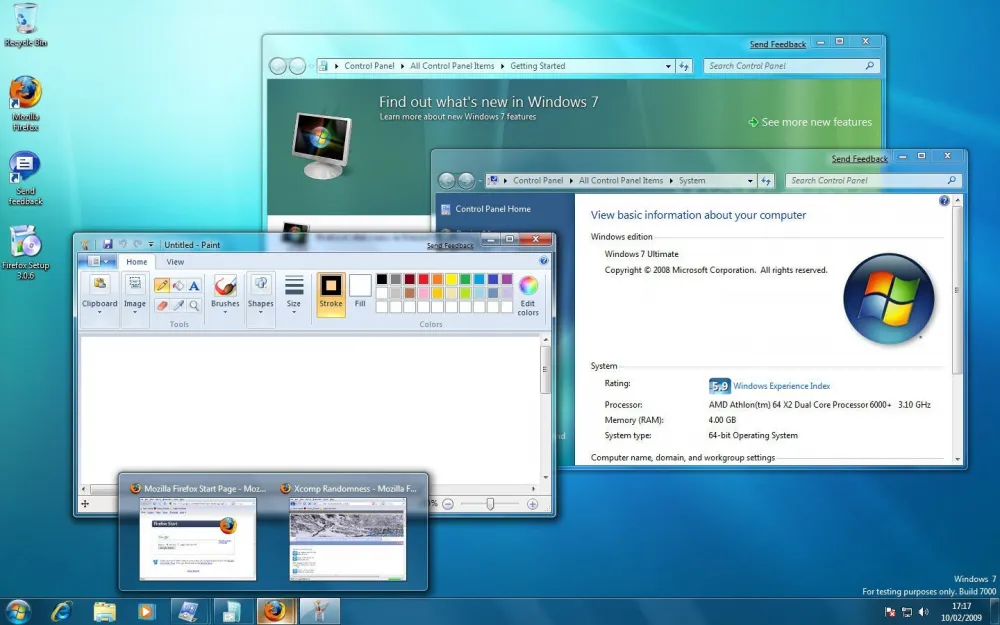
The second blow came from Microsoft at the moment when more and more devices with 10–11 inch screens started appearing on the market. The main software supplier sharply and significantly raised the price of Windows for these models, thereby forcing either an increase in the device’s final price or the installation of the most limited Win 7 Starter Edition, which, on top of that, could not run more than three programs simultaneously.
This killed the main feature of netbooks — a full-fledged device for web surfing, studying, and more, at an affordable price.
Also, yes, netbooks slightly deviated from the original concept promoted by OLPC and the UN — they did not become cool and necessary devices for children’s education in developing countries. Netbooks gained popularity as a popular youth device for chatting, social networks, and all the trendy and glamorous stuff. Hence, this strong competition surge in the market.
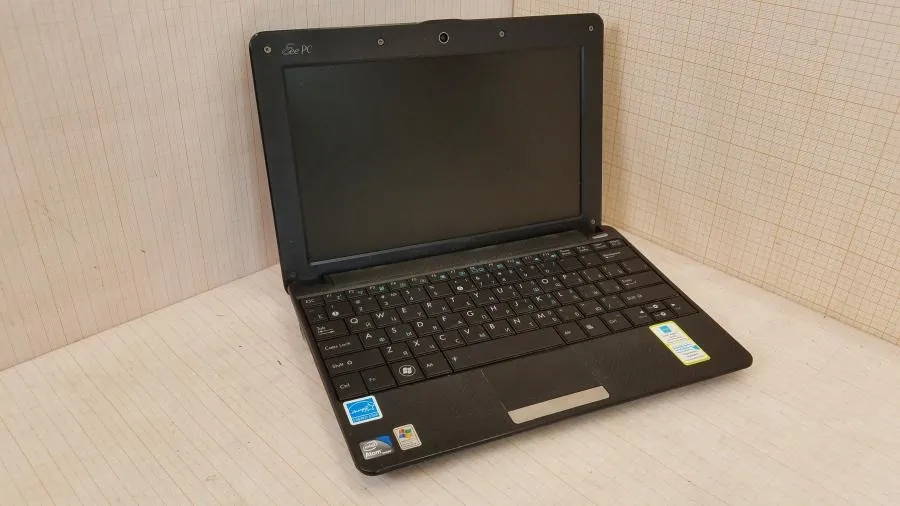
The final blow to the industry came with the release of the first iPad and the mass popularization of tablets. It turned out that, for the average user, the tablet was more ergonomic and met the same needs as the netbook. Thus, with the rise in tablet sales, netbook sales sharply declined, and by 2013, it was decided to cease their production.
So it happened that the format, which was created with a noble but rather niche purpose compared to the rest of the market, suddenly began to interfere with these big players of the broader market so much that it was artificially and very blatantly suppressed, preventing it from developing into something greater.
❯ What if we return to netbooks now?
As with all retro things, netbooks have a huge community of enthusiasts who still use the EEE PC for various niche tasks, such as a companion to a server, as a device for Linux development, and so on.
However, in our much more dynamic time, there could well be demand for netbooks, considering how much mobile processors and ARM architecture have evolved, along with their software and numerous operating systems. But for some reason, as we see, no one is rushing to do so. Except for Apple with its MacBook Neo.
Although, if we had a hypothetical device with 16GB of soldered RAM and some mobile chipset from Qualcomm or AMD, running on some user-friendly Linux fork (God, there's Steam OS, isn't that a candidate?), with a nice 8–10 inch IPS screen, and priced under $300... I think no one would refuse it, even purely for aesthetic reasons.
![From Virtual Hands to AI for Survivalists: Curious Open Agent OSes [and One Hardware Project]](https://cdn.tekkix.com/imgs/2026/05/habrcom/big/ce0b1057616faed51cd8b9f3b2b9.webp)


Write comment