- AI
- A
10 Breakthrough Developments of 2026 According to MIT Technology Review
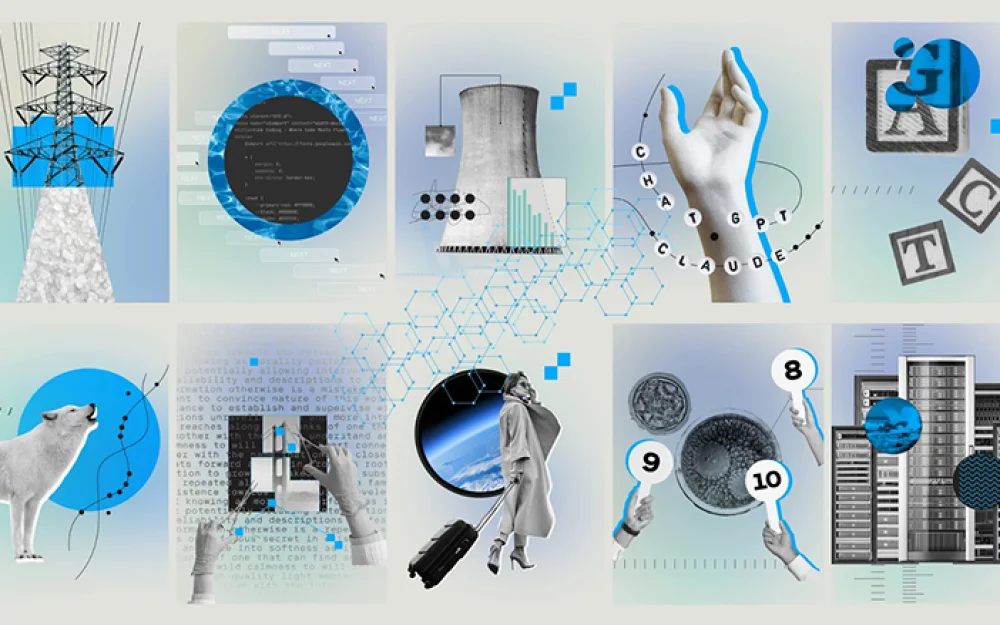
Every year, the Massachusetts Institute of Technology's MIT Technology Review publishes a list of ten technologies that the editors believe will define the near future. This is not a ranking of the "trendiest" ideas or an attempt to ride the hype, but rather the result of months of internal discussions among the editorial team. Journalists propose options, debate their impact, scale, and consequences, and ultimately retain only those technologies that could significantly change people's lives and work.
This year marks the 25th edition of the ranking, and the authors honestly admit: predicting the future is difficult, and not all forecasts come true. This makes it even more interesting to reread old lists and see which technologies have truly "hit the mark" and which have remained mere experiments. We have already published selections from MIT Technology Review for 2024 and 2025, and now we share the translation of a new one.
It should be noted that in the editorial interpretation, "breakthrough" does not necessarily mean something fundamentally new. It can also refer to well-known developments that have finally reached maturity and scalability or gained practical application, for example, after approval from regulators.
1. Sodium-ion batteries
For decades, lithium-ion batteries have powered smartphones, laptops, and electric vehicles. However, limited lithium supplies and sharp price fluctuations have pushed scientists to search for more sustainable alternatives.
Who: BYD, CATL, HiNa, Peak Energy, Yadea
When: in 3–5 years
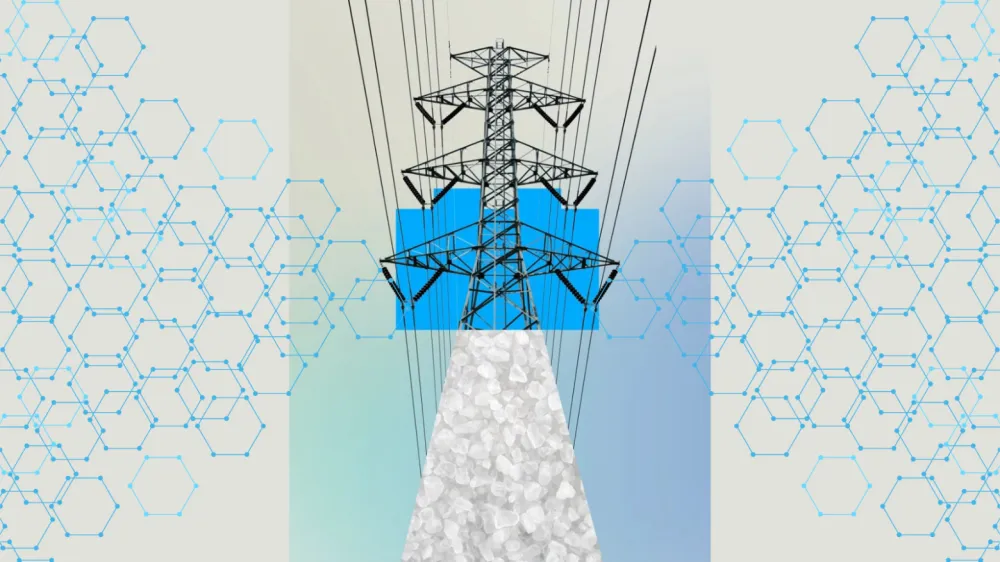
Sodium-based batteries, made from readily available materials like common salt, are gradually entering the market as a cheaper and safer alternative to lithium-ion batteries. With government investments and support from major corporations, they could begin to be widely used in both energy grids and affordable electric vehicles worldwide.
The principle of sodium-ion batteries works almost the same: energy is stored and released through the movement of ions between two electrodes. The main difference is the material itself. Sodium is much cheaper and is found everywhere (lithium is currently mined in only a few countries). While such batteries do not yet provide significant savings, their cost should significantly decrease with increased production.
China plays a key role in the development of this technology. Local companies CATL and BYD have invested significant funds into it. CATL introduced the first generation of sodium-ion batteries back in 2021, and in 2025, it launched the Naxtra line and announced the start of mass production. BYD is also building a large factory in China to produce such batteries.
The technology is already being implemented in the transportation sector. In 2024, the company JMEV presented a version of its electric vehicle EV3 with a sodium-ion battery pack, while HiNa Battery began installing them in electric vehicles operating at low speeds.
New batteries are also being tested in compact vehicles. In 2025, Chinese scooter manufacturer Yadea released four models of two-wheeled transport powered by sodium-ion batteries. In major cities like Shenzhen, pilot projects for installing quick-change stations for such batteries for couriers and passengers have begun.
However, the most noticeable effect is expected not on the roads, but in energy. Energy storage from solar and wind remains one of the main challenges for "green" energy generation. Sodium-ion batteries have advantages due to their low cost, thermal stability, and long lifespan. The American startup Peak Energy is already implementing such solutions for power grids. Their energy density is still lower than that of premium lithium-ion models, but it is already sufficient for passenger cars and commercial transport.

2. Generative Programming
AI-based tools for writing code are changing the very approach to development. Creating digital products has become faster and easier. However, it is still necessary to check the results.
Who: Copilot, Cursor, Lovable, Replit
When: right now
Today, AI assistants for writing, testing, editing, and debugging code are used by both experienced developers and beginners. This significantly reduces the time spent on routine work stages. IT giants have embraced this new reality with open arms: according to company executives, AI already writes up to 30% of Microsoft’s code and more than a quarter of Google’s code. Mark Zuckerberg has openly discussed plans to assign AI agents a large portion of the development in his company.
New tools have also emerged that allow people without a technical background to create impressive applications, games, and websites—just describe your task to GitHub Copilot, Cursor, Lovable, or Replit in a series of simple prompts. Some developers even let AI take the reins and accept most of the neural network's suggestions without hesitation.
However, human expertise is still indispensable. AI can generate plausible but incorrect or unsafe code. MIT researchers emphasize that externally correct snippets do not always function as intended. Large and complex codebases remain a challenge, although companies like Cosine AI and Poolside are trying to address it.
The accompanying drawback of the technology is the reduction of jobs for novice programmers. AI assistants can boost productivity in current roles but do not guarantee an easy entry into the profession and essentially replace junior developers.
3. The New Generation of Nuclear Energy
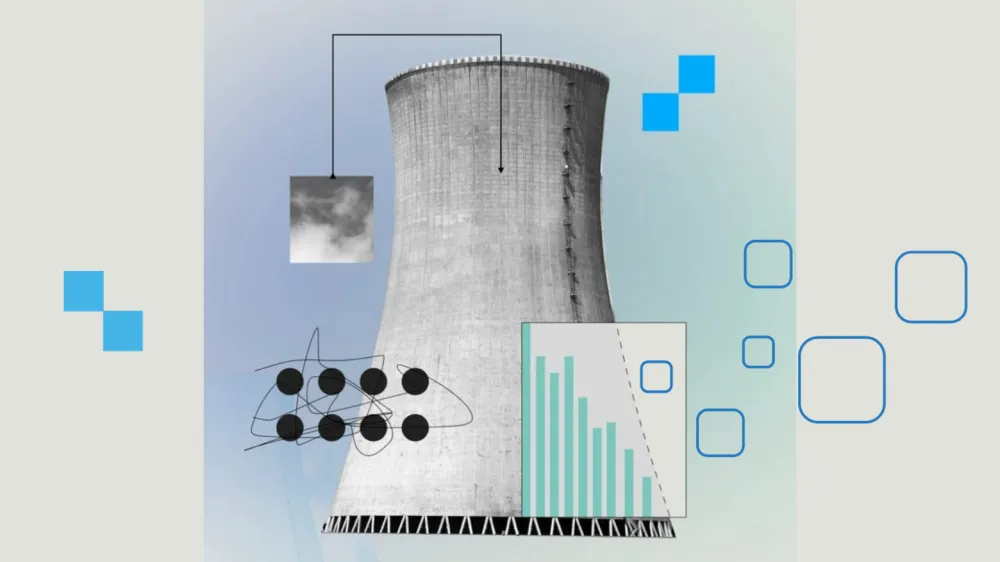
Nuclear power plants today provide stable energy production without greenhouse gas emissions. New projects offer alternative fuels, different cooling systems, and more compact designs, which could accelerate the commissioning of reactors.
Who: BWXT, China National Nuclear Corporation, Kairos Power, Newcleo, TerraPower, X-energy
When: in 3–5 years
Nuclear energy has long held an important place in the electricity system, but traditional reactors often face delays in production and budget overruns. New developments promise to change the situation.
Next-generation reactors are smaller, simpler to produce, and use new materials. This makes energy grids more resilient, which is especially important given the growing global demand for electric vehicles, air conditioners, and data centers.
Among the new players, no single idea currently dominates the market. Some companies are betting on microreactors, whose capacity is a fraction of traditional installations. Others are experimenting with molten salts or metallic coolants, eliminating the need to operate under the superhigh pressures characteristic of conventional water-cooled power plants.
In 2024, Kairos Power received the first permit in the U.S. to build a new type of energy reactor—the liquid salt reactor Hermes 2. In the coming years, similar projects from TerraPower and X-energy may receive approval.
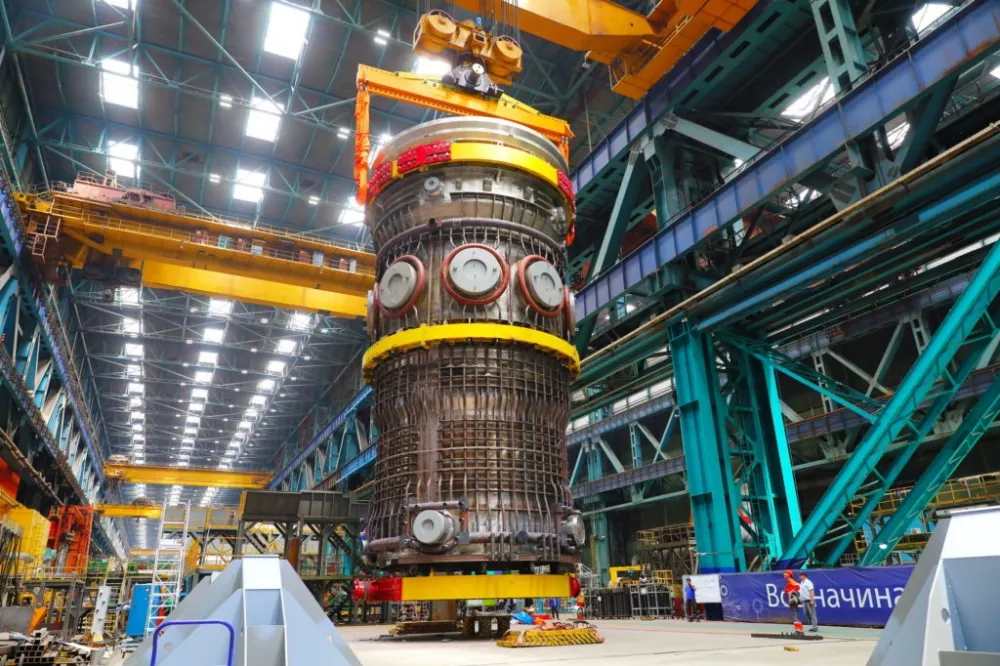
China is actively developing sodium-cooled fast reactors, while Russia is building the BREST-OD-300 reactor with a liquid metal lead coolant. The main question remains the same: will it be possible to scale these technologies within a reasonable timeframe and meet demand?

4. AI Companions
Millions of people communicate daily with chatbots, and some form almost personal relationships with them. Increasing data indicate that this can be dangerous, and politicians are finally starting to realize it.
Who: Anthropic, Character.AI, OpenAI, Replika
When: already now
Modern chatbots can imitate empathy and engage in complex dialogues. They are always available, never tire, and do not judge—it's no surprise that many use them as friend-conversationalists, and sometimes even as romantic partners.
According to the nonprofit organization Common Sense Media, 72% of American teenagers have already turned to AI purely for conversation. Moreover, relationships are increasingly being built not only with specialized "companions," but also with universal language models like ChatGPT. And while chatbots can provide much-needed emotional support to some people, for others, they can exacerbate underlying psychological problems. There have been cases where interaction with AI led to delusional beliefs or the illusion of "secret knowledge."
The situation is causing growing concern. In the U.S., high-profile lawsuits have been filed against OpenAI and Character.AI, claiming that the behavior of chatbots may have contributed to the suicides of two teenagers. Since then, new cases have emerged: the Center for Victims' Rights in Social Media filed three lawsuits against Character.AI in September 2025, and seven complaints were filed against OpenAI in November 2025.
We are beginning to observe the emergence of efforts to regulate AI companions. In California, a law has been passed requiring large AI companies to disclose measures for user protection. OpenAI has implemented parental controls and is developing a separate version of the chatbot for teenagers. It seems that AI companions are not going anywhere anytime soon, but their future looks somewhat more controlled.

5. Personalized Gene Editing
A seven-month-old infant has become the first person to receive individually designed gene editing drugs. In the coming years, such therapy may extend beyond isolated cases.
Who: Children's Hospital of Pennsylvania, University of Pennsylvania, U.S. Department of Health
When: in 3–5 years
Kyle Maldun Jr. was born with a rare genetic disorder that prevented his body from eliminating toxic ammonia from the blood. The condition posed a threat to his life and brain development. The standard course of action in such cases is a liver transplant, but the family was also offered an alternative.
Scientists from the University of Pennsylvania have developed an individualized treatment program based on genetic engineering that allows for correcting point mutations in DNA. The solution was tested on human cells, mice, and monkeys, after which the drug was administered to the child. Today, Kyle is developing normally and feels well.
Previously, gene therapy was used in the treatment of sickle cell anemia and high cholesterol, but Kyle's case became the first completely personalized solution created for one patient.
The cost of such treatment turned out to be comparable to a liver transplant — about one million dollars, but researchers expect the price to decrease to several hundred thousand dollars in the coming years. Clinical trials of personalized gene therapy for children with similar genetic disorders will soon begin, and the U.S. Department of Health is considering a new mechanism for approving such innovations.

6. "Resurrection" of genes
Studying the DNA of extinct species can help create new medicines, cope with climate change, and save rare animal species.
Who: Colossal Biosciences, University of Georgia, Revive & Restore
When: right now
In April 2025, the Texas company Colossal Biosciences made the cover of TIME, loudly announcing the revival of the dire wolf — a species that went extinct about 10,000 years ago and resembles the direwolf from "Game of Thrones." Independent scientists quickly dampened the enthusiasm: what we have is a genetically modified gray wolf with fragments of ancient species DNA. Nevertheless, the technology itself is far more important than the sensational headline.

Modern genetics allows us to study the DNA of ancient organisms and reproduce individual genes in living beings. This opens up new possibilities — from developing new medicines and climate-resistant plants to helping endangered animal species.
Researchers are already working with the DNA of the dodo, woolly mammoth, and ancient humans whose genetic material has been preserved in bones and is now being decoded. At the University of Georgia, for example, they studied a lost enzyme in humans, the absence of which is associated with gout, and are considering the possibility of gene therapy.
These “time travel” experiments usually involve only a few genes. But sometimes it is possible to restore entire genomes. The organization Revive & Restore has gone further, cloning the black-footed ferret from frozen cells that were stored a decade ago. This has allowed the lost genetic diversity critical for the survival of the species to be returned to the population.

7. Mechanistic Interpretability
Despite the widespread use of chatbots, even their creators do not fully understand how neural networks make decisions. This complicates control, the explanation of errors, and the fight against hallucinations. But new research methods are allowing us to peek inside the “black box” for the first time.
Who: Anthropic, Google DeepMind, Neuronpedia, OpenAI
When: right now
One approach, known as mechanistic interpretability, aims to map the internal elements of the model and the direct connections between them. In 2024, Anthropic introduced a tool that allows for the identification of signs within the model related to recognizable concepts—from Michael Jordan to the Golden Gate Bridge. In 2025, researchers learned to track entire chains of reasoning. OpenAI and Google DeepMind use similar methods to explain unexpected or potentially dangerous patterns of AI behavior.
Another approach—monitoring the chain of thoughts—allows for “overhearing” the internal monologue of language models as they analyze a task step by step. OpenAI used this technique to catch the AI attempting to cheat while solving a programming test.

8. Commercial Orbital Stations
Space tourism may cease to be a fantasy as early as this year. New private stations are designed for both tourists and scientific missions.
Who: Axiom Space, Blue Origin, Vast Space, Voyager Space
When: in six months
The International Space Station is aging and will be decommissioned by 2031. In its place, private orbital platforms are emerging. NASA has allocated more than $500 million for their development.
The California company Vast Space plans to launch its space station Haven-1 in May 2026 on a SpaceX Falcon 9 rocket. If all goes according to plan, it will initially accommodate a crew of four people who will stay aboard this bus-sized miniature module for ten days.
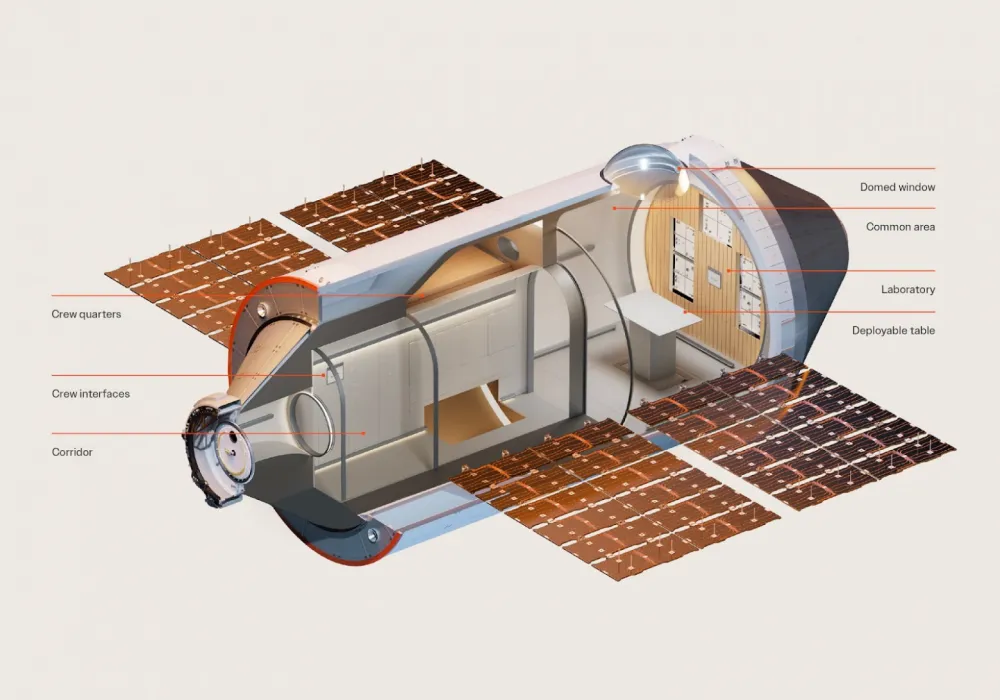
Following it is the pride of Axiom Space — the Axiom station, consisting of five room-modules. The project resembles a boutique hotel, and its launch is expected in 2028. The company Voyager Space promises to send its version called Starlab into space in the same year, while Blue Origin's Orbital Reef space station is planned for launch in 2030.
The first tickets will cost tens of millions of dollars, but in the long run, such stations could broaden access to space for many. Perhaps they will be the first step towards permanent life beyond Earth.

9. Embryo Assessment
Genetic testing of embryos is becoming increasingly accurate and accessible — and it is now being proposed for selecting the "best" traits for future children.
Who: Genomic Prediction, Herasight, Nucleus Genomics, Orchid
When: right now
Screening embryos for severe genetic diseases has long been standard practice in reproductive medicine clinics. New startups boldly claim that they can predict traits such as intelligence or appearance.
This refers to PGT-P — preimplantation genetic testing for polygenic risks. These are traits arising from the interaction of hundreds or thousands of genetic variants. The resulting polygenic risk scores provide statistical probabilities that an embryo will have, for example, brown eyes, a high IQ, or short stature.
It is not surprising that this new type of testing, which can cost up to $50,000, raises serious ethical debates. Some critics warn against eugenics, while others speak of dubious clinical benefits and low accuracy of such predictions.
Despite this, the technology is spreading rapidly: in the U.S., it is offered by more than 100 clinics. Competition may lower prices and improve the quality of genetic screening overall.

10. Gigantic Data Centers for Artificial Intelligence
The race for leadership in AI has led to the construction of enormous data centers — energy-intensive, heated, and extremely demanding on infrastructure.
Who: Amazon, Google, Microsoft, Nvidia, OpenAI
When: right now
All over the world, huge data centers are growing, filled with hundreds of thousands of graphics processors. They operate as a single high-speed supercomputer, connected by fiber-optic networks and requiring colossal power supply.
Such centers consume more than a gigawatt of electricity, comparable to the needs of a large city. Most of the energy is still generated from fossil fuels. Some AI giants are experimenting with nuclear power, while Google dreams of building data centers in space powered by solar energy.
However, so far the costs for all this fall on the shoulders of ordinary citizens. Localities where energy-intensive data centers are located struggle with sharply increased electricity bills, water shortages, buzzing noise, and air pollution. The scale of AI is impressive, but its infrastructural cost is becoming increasingly tangible.
***
This list is not exhaustive. The MIT editorial team has reached out to the audience with a question about what technology they would add to this list. Please write in the comments what you think is missing. MIT will publish an eleventh item in April 2026 — then we will see who predicted it most accurately.







![From Virtual Hands to AI for Survivalists: Curious Open Agent OSes [and One Hardware Project]](https://cdn.tekkix.com/imgs/2026/05/habrcom/big/ce0b1057616faed51cd8b9f3b2b9.webp)

Write comment